Our story · Houston, Texas
The nurse
who stitches.
Edelweiss is one woman, one machine at a time, and five years of evenings folded in beside a nursing career. This is where it comes from.
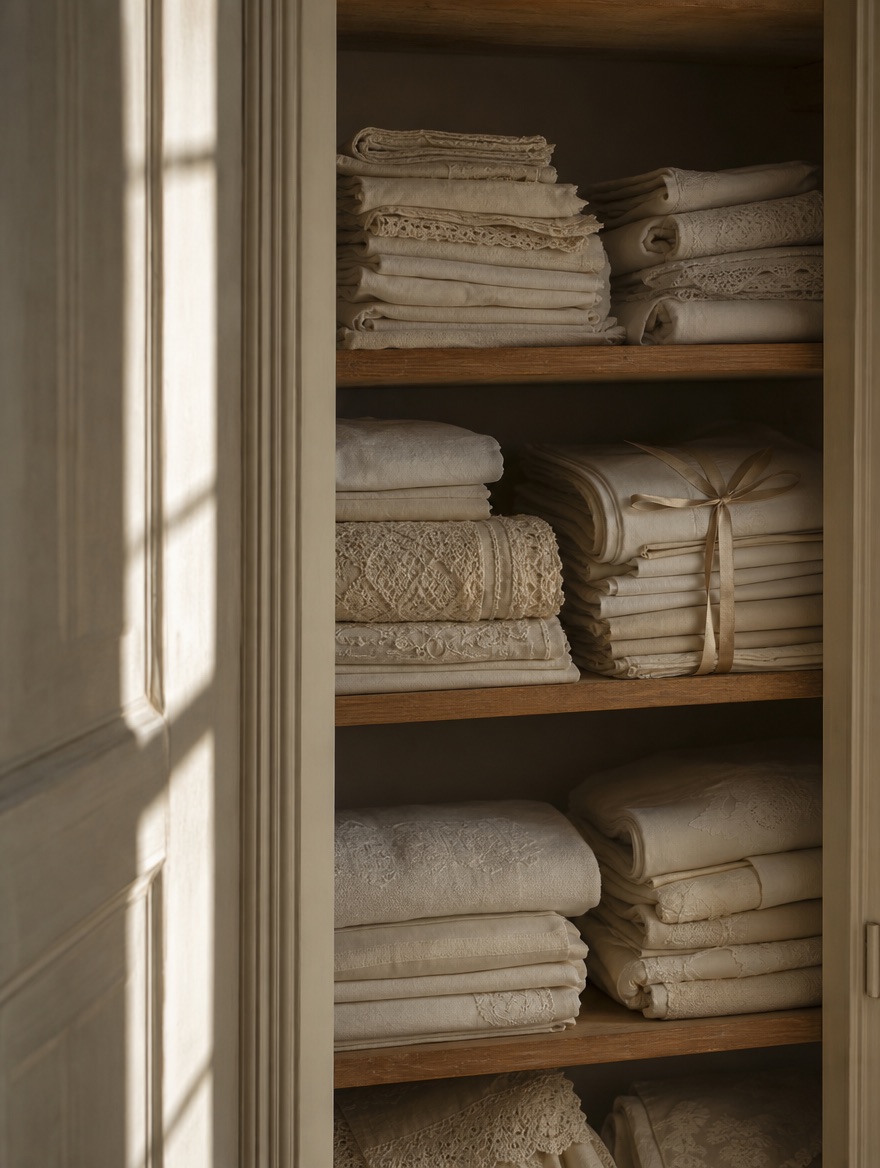
Five years in
I built this beside my night shifts.
I’m a nurse, and I’m the whole of Edelweiss Embroidery — the person who answers your email, matches your thread, and sits at the machine. I started five years ago, here in Houston, stitching in the hours around my shifts because I loved making things that outlast the occasion they were bought for.
It’s stayed one pair of hands on purpose. When you order, you’re working with the person who will actually make your piece — no floor of machines, no name I hand your monogram off to.
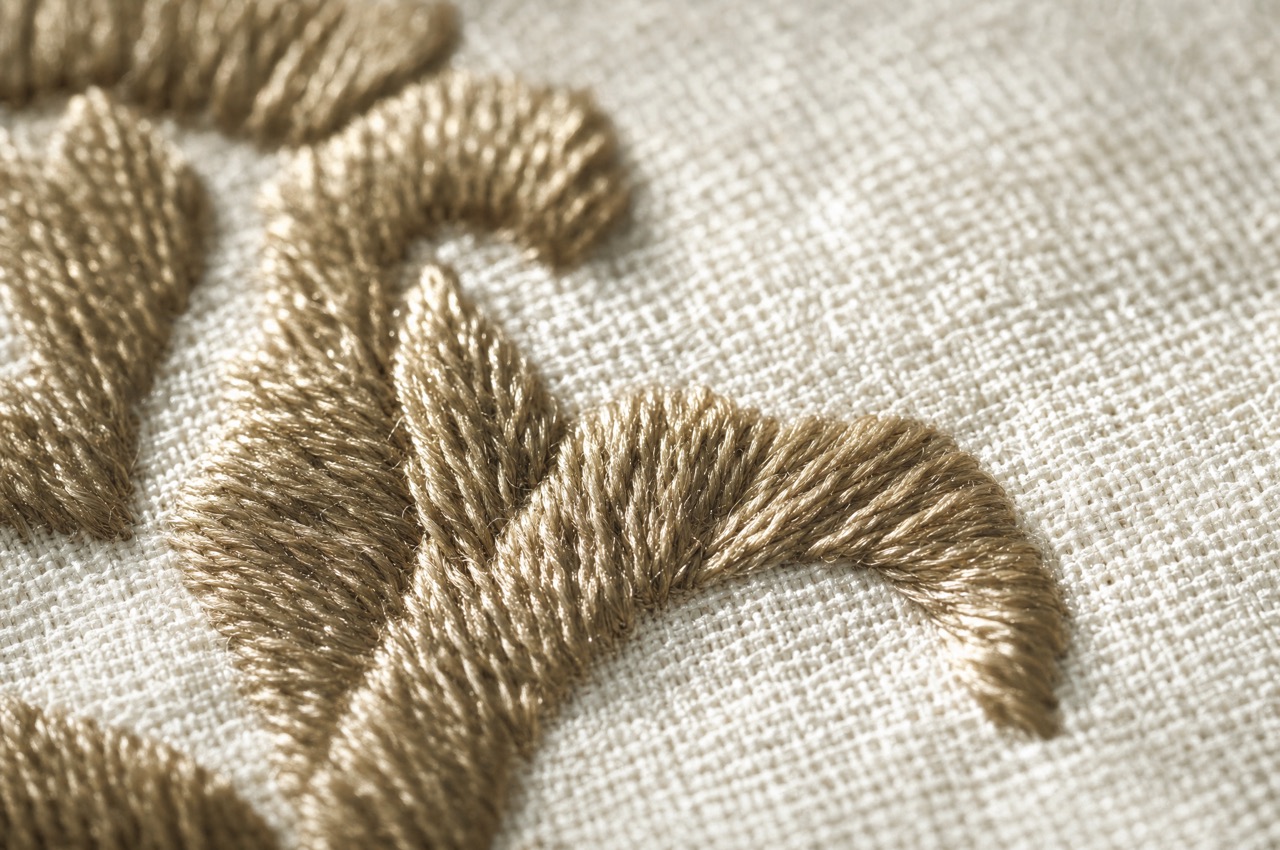
Why appliqué
The slower, finer way.
Appliqué is my signature, and it’s more involved than plain embroidery. The machine stitches a fabric shape down; I hand-cut it free with small scissors; then the machine finishes the raw edge in a satin stitch — a solid, raised border of thread.
That hand-cutting step is the difference. It’s why an appliqué monogram has weight and dimension you can feel, and why it reads as something made to be kept rather than printed on.
The craft
How a monogram is made.
A few things I do myself that you won’t always find behind a monogram.
I draw many of the letterforms myself.
I digitize a good deal of my own lettering in Embrilliance and StitchArtist, then work in the PES and DST files the machines read. When a letter needs to sit right for your piece, I can shape it rather than settle for a stock alphabet.
I match the thread to the cloth by eye.
I keep Madeira, Isacord, Sulky, and Exquisite threads on hand and choose against your fabric in person — not from a screen. The right thread on the right ground is most of what makes a monogram look expensive.
Custom pieces start from 230 colors.
For made-to-order work, you choose your fabric and welting from the 230 Michael Miller Cotton Couture solids. I cut, stitch, and finish from there — a piece built for your colors, not adapted to them.
One more thing
You’ll always see it first.
Because it’s just me, I can promise something a bigger shop can’t as easily: every order gets a stitched-layout proof, and nothing is sewn until you’ve said yes. Your piece is right before it’s real.